Civil, Religious or Symbolic? Understanding Your Ceremony Options in Spain
6 min read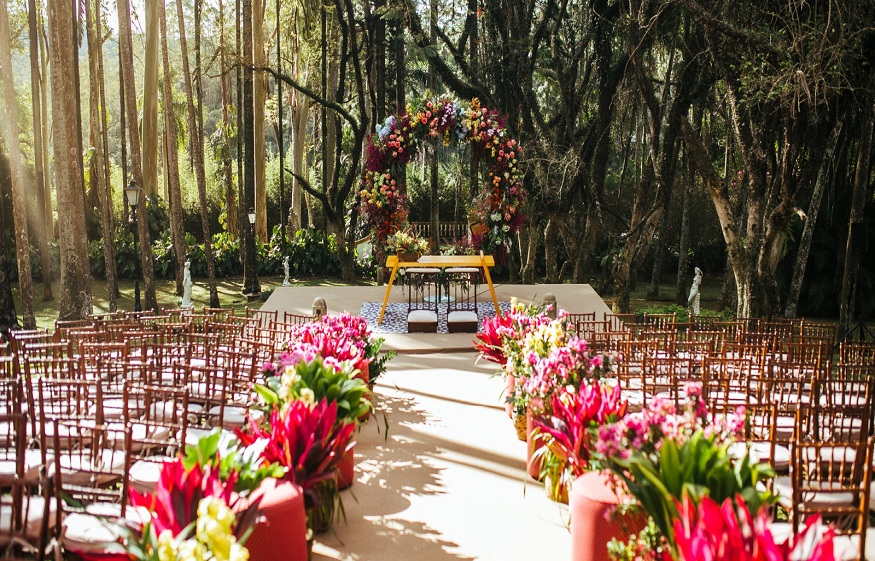
Every wedding has a ceremony at its heart, but in Spain couples face an important early decision: whether to hold a civil, religious or symbolic ceremony. Each carries different legal implications, practical requirements and emotional character, and understanding the distinctions is essential to planning a celebration that suits you. This guide explains the three main types of ceremony available in Spain, helping you choose the one that best reflects your beliefs, your circumstances and your vision for the day.
The Civil Ceremony
A civil ceremony is a legally binding marriage conducted under Spanish law, typically by a registrar or authorised official. While straightforward in principle, civil marriage in Spain often comes with a residency requirement, meaning that at least one partner usually needs to be a legal resident of the country. For foreign couples without that residency, a fully legal Spanish civil ceremony can therefore be impractical. Where it is an option, a civil ceremony provides legal recognition without religious content, which appeals to many modern couples.
Read More: CUSTOMIZED KEYCHAIN: TRANSFORM EVERYDAY KEYS INTO PERSONAL MASTERPIECES
The Religious Ceremony
For couples of faith, a religious ceremony offers a deeply meaningful way to marry. Catholic weddings have a long and beautiful tradition in Spain, and ceremonies in the country’s historic churches and cathedrals can be truly spectacular. A religious ceremony follows the requirements of the particular faith, which may include documentation, pre-marriage preparation and, in some cases, recognition in civil law. Couples considering this route should speak to the relevant religious authorities early, as the requirements can be detailed and the most beautiful Wedding Venues are often in demand.
The Symbolic Ceremony: Freedom and Flexibility
The symbolic ceremony has become the most popular choice for international couples marrying in Spain, and for good reason. Although it carries no legal weight in itself, it offers complete freedom over every element: the words, the setting, the music and the person who conducts it. Couples typically complete the legal formalities quietly in their home country beforehand, then hold a symbolic ceremony in Spain that delivers all the emotion and personality of a wedding without the constraints of civil procedure.
This freedom is precisely what makes the symbolic ceremony so appealing. You can marry on a beach, in a vineyard, in a garden or at any of Spain’s countless Wedding Venues, at any time of day, with a ceremony written entirely to reflect your relationship. Many couples incorporate personal vows, symbolic rituals and readings that hold special meaning, creating a deeply individual celebration.
Comparing Your Options
Choosing between the three comes down to your priorities. Consider whether legal recognition needs to take place in Spain or can be arranged at home, how important religious content is to you, and how much creative freedom you want over the ceremony itself.
- Civil: legally binding in Spain, but often subject to residency rules.
- Religious: spiritually meaningful, following the rules of your faith.
- Symbolic: completely flexible, with legalities handled at home.
- Consider where legal recognition is most practical for your situation.
Practical Steps and Documentation
Whichever route you choose, preparation is key. Civil and religious ceremonies in particular can involve significant paperwork, including passports, birth certificates, proof of eligibility to marry and, often, official translations and legalisation. Requirements vary by region and change over time, so it is essential to confirm the current rules with the relevant authorities well in advance. Allow generous time, as official processes can be slow and some documents have limited periods of validity.
Getting the Right Guidance
The complexity of these choices is exactly why professional guidance is so valuable. Experienced Wedding Planners who regularly help overseas couples understand the nuances of each ceremony type, can explain the implications clearly, and will steer you towards the option that best fits your circumstances. They can also coordinate the practical details, liaise with venues and officials, and ensure your chosen Wedding Venues are suited to the style of ceremony you have in mind.
Understanding your ceremony options is one of the first and most important steps in planning a Spanish wedding. Whether you choose the legal formality of a civil marriage, the tradition of a religious service or the boundless freedom of a symbolic celebration, clarity at the outset will shape every decision that follows. With the right information and the support of knowledgeable Wedding Planners, you can choose a ceremony that feels entirely true to you and begin your married life exactly as you imagined.
Personalising a Symbolic Ceremony
The great gift of a symbolic ceremony is the freedom to make it entirely your own. Without the constraints of civil or religious procedure, you can write your own vows, choose readings that hold special meaning, and include symbolic rituals such as a sand or wine ceremony, a handfasting or the lighting of a unity candle. You might invite a close friend or relative to officiate, or have loved ones contribute readings and blessings. The result is a ceremony that tells your unique story and reflects your relationship in a way no standard format could.
Bilingual and Inclusive Ceremonies
For couples with guests from different countries, a bilingual ceremony can be a thoughtful touch, ensuring that everyone feels included in the most important moments. A skilled celebrant can weave two languages together gracefully, or provide printed translations for guests to follow. Spain’s welcoming culture and its full recognition of same-sex marriage make it an inclusive choice for couples of all kinds, and the country’s wealth of beautiful Wedding Venues is open to every couple equally.
Bringing It All Together
Whichever ceremony you choose, the key is to align it with your beliefs, your circumstances and the experience you want to create. Take time to understand the legal and practical implications of each option, and do not hesitate to seek expert guidance. Knowledgeable Wedding Planners can help you weigh the choices, handle the necessary arrangements and ensure your chosen Wedding Venues suit the style of ceremony you envisage, so that the heart of your celebration is everything you hoped it would be.
Choosing What Feels Right for You
There is no single correct choice when it comes to your ceremony; there is only the choice that feels right for you as a couple. Some will treasure the legal solemnity of a civil marriage, others the tradition and spirituality of a religious service, and many the boundless creative freedom of a symbolic celebration. What matters most is that your ceremony reflects who you are and the life you intend to build together. Take time to consider your options carefully, seek clear and current information, and lean on the expertise of Wedding Planners who can guide you towards the right decision and ensure your chosen Wedding Venues suit it perfectly. Get this right, and the heart of your celebration will be everything you dreamed of.
Whichever path you choose, give the decision the time and thought it deserves, because the ceremony is the moment at the very centre of your celebration. Speak to your chosen Wedding Planners, gather accurate and current information, and consider what will feel most meaningful to you and most welcoming to your guests. With clarity about your options and the right professional guidance, you can plan a ceremony that is authentic, heartfelt and entirely your own, set within Wedding Venues that bring your vision beautifully to life and mark the beginning of your married life exactly as you hoped.